The world of NBA player signature shoes is a captivating blend of on-court performance, personal branding, and sneaker culture. These shoes transcend their origins as mere athletic gear to become cultural icons, shaping fashion trends, reflecting athletes’ personalities, and even driving billion-dollar markets. From Michael Jordan’s first Air Jordan to the latest LeBron and Curry releases, signature shoes have left footprints far beyond the hardwood. Whether you’re a sneakerhead, a basketball player, or a curious observer, understanding NBA player signature shoes offers a unique window into sports, style, and innovation.
The Birth and Evolution of NBA Player Signature Shoes
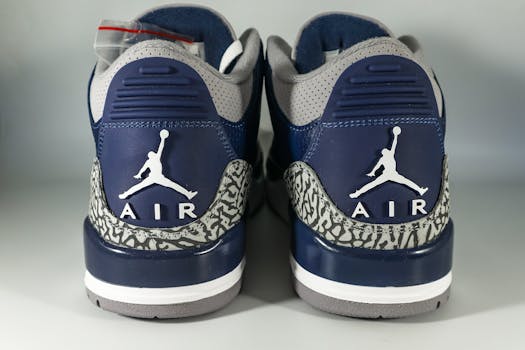
Signature shoes in the NBA have a storied history, dating back to the 1970s. While individual player endorsements existed before, it was Walt “Clyde” Frazier’s partnership with Puma in 1973 that set the stage for athlete-inspired footwear. However, the true revolution came in 1985 with the launch of Michael Jordan’s Air Jordan 1 by Nike—a shoe that not only broke sales records but also defied NBA uniform codes.
Since then, the market has exploded. Today, nearly 30 NBA players have their own signature lines, and the global basketball shoe market is projected to reach $5.4 billion by 2027, according to Statista. Signature shoes now serve as crucial branding tools for players and as must-have items for fans and collectors alike.
.png) Key milestones:
- 1973: Puma Clyde, the first true NBA signature shoe.
- 1985: Nike Air Jordan 1 launches, sparking sneaker culture.
- 1996: The Reebok Question, Allen Iverson’s debut signature, reinvigorates the ’90s market.
- 2003: LeBron James signs a then-record $90 million Nike deal before playing an NBA game.
Key milestones:
- 1973: Puma Clyde, the first true NBA signature shoe.
- 1985: Nike Air Jordan 1 launches, sparking sneaker culture.
- 1996: The Reebok Question, Allen Iverson’s debut signature, reinvigorates the ’90s market.
- 2003: LeBron James signs a then-record $90 million Nike deal before playing an NBA game.
How Signature Shoes Reflect NBA Player Identity
NBA signature shoes are more than just performance gear; they’re personal statements. Shoe designs often incorporate elements that represent a player’s journey, heritage, or values.
For example, Kevin Durant’s signature Nike line frequently pays homage to his mother and his upbringing in Seat Pleasant, Maryland. Kyrie Irving’s shoes are known for intricate patterns and spiritual motifs, reflecting his interests off the court. Damian Lillard’s Adidas line, “Dame,” often references his hometown of Oakland and his love of hip-hop.
Athletes collaborate closely with designers to ensure the shoes tell their stories. For instance, the Air Jordan 11’s patent leather was inspired by Michael Jordan’s desire for a formal, "dress shoe" look. LeBron’s shoes often feature lion imagery, symbolizing strength and leadership.
These personal touches make signature shoes powerful branding vehicles, creating emotional connections with fans who want to “walk in the shoes” of their idols.
Performance Technology: What Sets Signature Shoes Apart?
Beyond style and storytelling, NBA signature shoes are at the forefront of performance technology. Shoe brands invest millions in research to optimize cushioning, support, and traction—helping elite athletes perform at their peak.
Several technological breakthroughs have originated in signature lines: - Nike’s Zoom Air cushioning debuted in the Air Penny 1 (Penny Hardaway’s shoe). - The Adidas Boost foam, first popularized in Derrick Rose’s D Rose line, revolutionized energy return. - Under Armour introduced HOVR cushioning in Steph Curry’s shoes, designed for lightweight responsiveness. Features are tailored to each player’s style: - LeBron James, known for power and explosiveness, has shoes with maximum support and cushioning. - Kyrie Irving’s shoes emphasize low-profile cushioning and flexible traction for quick cuts. - James Harden’s Adidas line focuses on stability and grip for his signature step-back moves.The result? Signature shoes aren’t just endorsements—they’re customized tools built to enhance a superstar’s unique game.
Signature Shoe Sales: Popularity, Value, and Collectibility
Signature shoes are big business. Michael Jordan’s Air Jordans remain the gold standard, generating over $5 billion in annual revenue for Nike as of 2023. LeBron James and Kevin Durant’s Nike lines, as well as Steph Curry’s Under Armour releases, consistently rank among the top sellers.
But it’s not just about current stars. The resale market for classic signature shoes is booming. For example, a pair of original 1985 Air Jordan 1s sold for $560,000 at auction in 2020. Limited editions and collaborations—such as Travis Scott’s partnership with Jordan Brand—can fetch thousands of dollars per pair.
Here’s a look at the most popular NBA player signature shoes by annual sales (2023 estimates):
| Player | Brand | Annual Shoe Revenue | Years Active |
|---|---|---|---|
| Michael Jordan | Nike (Jordan Brand) | $5+ billion | 1985–present |
| LeBron James | Nike | $600 million | 2003–present |
| Kevin Durant | Nike | $200 million | 2008–present |
| Stephen Curry | Under Armour | $160 million | 2015–present |
| Kobe Bryant (estate) | Nike | $250 million$1 |
*Note: Kobe Bryant’s Nike contract ended in 2021; his estate has since partnered with Nike for limited releases.
The Impact of NBA Signature Shoes on Sneaker Culture and Fashion
Signature shoes have shaped not only the basketball world but also global sneaker and streetwear culture. The Air Jordan line, with its iconic colorways and collaborations, is largely credited with turning sneakers into fashion statements. In fact, the term “sneakerhead” emerged largely due to the rabid following of NBA-inspired footwear.
Today, NBA signature shoes are seen on runways, music videos, and city streets. Collaborations with artists (such as Pharrell, Travis Scott, and Virgil Abloh) push the boundaries of design, making these shoes highly desirable even for non-basketball fans.
Social media also amplifies hype. A single Instagram post from a superstar can send demand skyrocketing, while platforms like StockX and GOAT have made buying and reselling easier than ever. In 2023, the sneaker resale market was valued at over $10 billion, with NBA signature shoes at its core.
Choosing the Right NBA Signature Shoe: Factors to Consider
If you’re thinking about buying a pair of NBA player signature shoes, consider these factors:
1. Performance Needs: Are you playing basketball or collecting? For hoopers, look for shoes that match your playing style. For collectors, limited editions or collaborations might be more appealing. 2. Fit and Comfort: Each brand and player line fits differently. Try them on if possible; for example, Kobe’s shoes are known for a snug, low-profile fit, while LeBron’s offer more cushioning and support. 3. Price and Value: Signature shoes typically range from $110 to $250 at retail, but limited editions can go much higher on the resale market. 4. Style and Story: Does the design resonate with you? Many shoes feature personal details or city-inspired colorways that can add meaning to your purchase. 5. Investment Potential: Some signature shoes appreciate in value, especially first releases, special editions, or collaborations.Here’s a quick comparison of signature lines to help guide your choice:
| Signature Line | Best For | Typical Price Range | Unique Feature |
|---|---|---|---|
| Air Jordan | Collectors, fashion, basketball | $150–$250 | Iconic designs, high resale value |
| LeBron (Nike) | Power players, support | $160–$200 | Maximum cushioning, bold aesthetics |
| Curry (Under Armour) | Shooters, guards | $120–$160 | Lightweight, responsive |
| Dame (Adidas) | All-around players | $110–$130 | Excellent traction, value |
| Harden (Adidas) | Quick moves, grip | $130–$160 | Enhanced stability, unique colorways |
Final Thoughts on NBA Player Signature Shoes
NBA player signature shoes stand at the crossroads of sports, fashion, and culture. They offer fans a tangible connection to their basketball heroes while driving innovation in athletic footwear. With sales soaring into the billions, a thriving resale market, and influence that spans generations, these shoes are much more than sneakers—they’re milestones in the history of style and sport.
Whether you’re lacing up to hit the court, adding a grail to your collection, or simply admiring the artistry and storytelling in each pair, NBA signature shoes are a testament to the enduring impact of basketball on global culture.