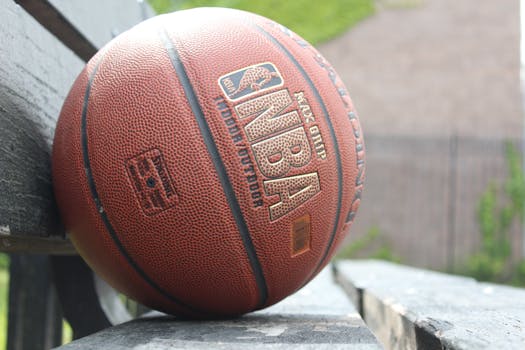
The NBA is not just about spectacular slam dunks, buzzer-beaters, and championship rings. For millions of fans worldwide, the connection to their favorite teams and players is often expressed through a vibrant world of fan products. From the earliest days of the league to the present era of global merchandising, NBA fan products have reflected trends in sports, pop culture, and even technology. Let’s dive into some fascinating facts about the evolution and impact of NBA fan products, uncovering stories and milestones that have shaped how fans celebrate their love for basketball.
The Humble Beginnings: Early NBA Merchandise
When the NBA was founded in 1946 as the Basketball Association of America (BAA), fan products were virtually nonexistent. The league’s initial focus was on drawing crowds to the arenas. Team-branded merchandise was limited to simple pennants, programs, and occasionally, basic T-shirts or caps sold at games. By the early 1950s, as television brought the NBA into living rooms across America, teams began to see the potential of connecting with fans beyond the arena.
One of the first significant NBA fan products was the team pennant. These felt banners, emblazoned with colorful logos, became popular souvenirs. By the late 1960s, the NBA started to experiment with licensed apparel, introducing logo-adorned jackets and hats for fans. Still, the market was small compared to today’s standards. According to the National Sporting Goods Association, sports-licensed merchandise in the US was a modest $300 million industry in 1970, a figure that has since grown exponentially.
.png)
The Rise of Jerseys: From Team Colors to Iconic Statements
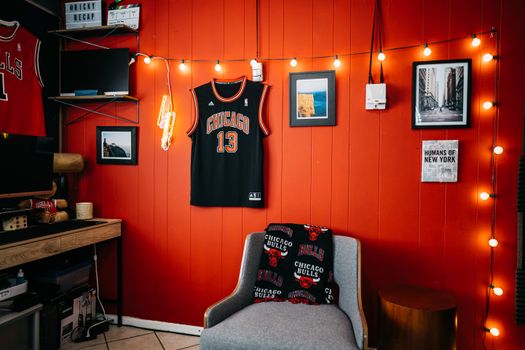
No NBA fan product is more iconic than the replica jersey. The journey of the NBA jersey as a fan staple is a story of innovation, marketing, and cultural change. In the 1980s, as stars like Magic Johnson, Larry Bird, and Michael Jordan captured the public’s imagination, demand for player jerseys soared.
Champion, the official NBA uniform supplier from 1989 to 1997, played a crucial role in turning jerseys into must-have fan items. The company introduced high-quality replicas that allowed fans to wear the names and numbers of their heroes. By 1992, the NBA was selling over 1 million jerseys annually, and by 2022, this number had jumped to an estimated 15 million worldwide, according to Statista.
The jersey became more than a piece of apparel—it was now a fashion statement. The 1990s saw the rise of throwback jerseys, with fans seeking vintage designs from past eras. Today, NBA jersey sales are a global phenomenon, with international stars like Giannis Antetokounmpo and Luka Dončić topping sales charts alongside US-born icons.
NBA Fan Products and Pop Culture: Sneakers, Toys, and Beyond
The NBA’s influence on pop culture has always been intertwined with its fan products. Sneakers are perhaps the most influential crossover. The debut of the Air Jordan 1 in 1985 revolutionized not only basketball footwear but also global sneaker culture. Nike’s Air Jordan line has generated over $5 billion in revenue since its inception, and it is consistently among the best-selling sports shoes worldwide.
In addition to shoes, NBA-themed toys and collectibles have carved out a significant niche. The launch of NBA Hoops trading cards in 1989 opened up a new world for collectors. By 2021, the global sports trading card market was valued at over $13 billion, with NBA cards among the most sought-after.
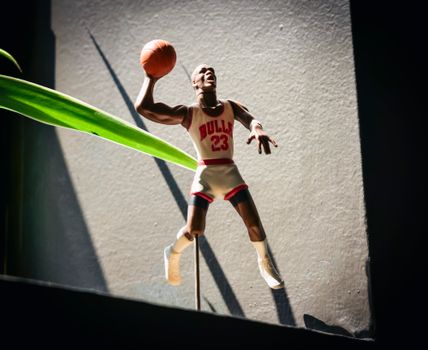
Action figures and bobbleheads have also become staples. The first NBA bobbleheads appeared in the late 1990s, and today, limited-edition releases often sell out in minutes. In 2016, a Stephen Curry bobblehead giveaway at Oracle Arena drew record crowds, with resale prices soaring above $100 on secondary markets.
Globalization: NBA Fan Products Go International
The NBA is now one of the most global sports leagues, and its merchandise reflects this reach. In the 1980s, NBA fan products were largely limited to North America. By the 1990s, the league was actively marketing in Europe and Asia, especially after the 1992 “Dream Team” captured worldwide attention at the Barcelona Olympics.
Today, NBA merchandise is available in over 100 countries, with China representing the league’s biggest international market. The NBA Store in Beijing, opened in 2008, is one of several flagship locations outside the US. According to the NBA, international sales account for more than 35% of all NBA merchandise revenue as of 2023.
The league’s partnerships with local brands have also fueled growth. In 2019, the NBA collaborated with Japanese streetwear brand BAPE for a limited apparel line, which sold out instantly and later appeared on resale sites for triple the original price.
Technological Evolution: From Physical to Digital Products
The digital age has brought a new wave of NBA fan products, transforming how fans engage with the league. In 2021, the NBA became the first major sports league to launch officially licensed non-fungible tokens (NFTs) through NBA Top Shot. By June 2022, NBA Top Shot had generated over $1 billion in sales, making it one of the most successful NFT projects in sports.
Video games are another pillar of digital fan engagement. The NBA 2K series, launched in 1999, has sold over 130 million copies worldwide as of 2023. Fans now not only play as their favorite teams and players but can also purchase virtual jerseys, sneakers, and accessories for their digital avatars.
Social media and e-commerce platforms have made NBA fan products more accessible than ever. The NBA’s official online store ships to over 200 countries, and the league boasts more than 2 billion social media followers across platforms, helping to drive demand for new and exclusive merchandise drops.
Data Overview: NBA Fan Products Through the Years
To illustrate the remarkable growth and diversity of NBA fan products, here’s a comparative table highlighting key milestones and statistics:
| Year | Significant Fan Product Development | Estimated Global Revenue (USD) | Notable Fact |
|---|---|---|---|
| 1960s | Team pennants, basic apparel | $10 million | Pennants become popular souvenirs at games |
| 1985 | Air Jordan 1 launches | $100 million (Air Jordan line first year) | Sneaker culture takes off |
| 1992 | Replica jerseys gain popularity | $250 million | Over 1 million jerseys sold annually |
| 2008 | NBA Store opens in Beijing | $2 billion (global NBA merchandise) | NBA merchandise expands internationally |
| 2022 | NFTs, digital products, global licensing | $5.7 billion | NBA Top Shot surpasses $1 billion in sales |
Memorable NBA Fan Product Moments
Several moments in NBA history have been defined by groundbreaking fan products. In 1996, the NBA celebrated its 50th anniversary by releasing a special gold-embroidered jersey collection. These limited-edition jerseys became highly coveted and are now considered collector’s items, with some reselling for over $2,000.
Another milestone occurred during the 2010 NBA Finals, when “Whiteout” T-shirts were distributed to every fan at Miami Heat home games, creating a visually stunning atmosphere. This trend of coordinated fan apparel has since become a playoff tradition in many arenas.
The league’s willingness to innovate is also evident in collaborations with artists and designers. In 2018, Nike and NBA teamed up with street artist KAWS to produce a unique collection of jerseys and hoodies, blending sports with high fashion and art in a way that appealed to both basketball enthusiasts and collectors.
The Social Impact of NBA Fan Products
NBA fan products are more than just commercial items—they play a significant role in community building and social causes. Since 2007, the NBA’s “NBA Cares” program has partnered with apparel companies to produce charity-themed merchandise, with proceeds supporting education, health, and social justice initiatives.
The league also uses merchandise to promote inclusion. The “Pride” collection, introduced in 2017, celebrates LGBTQ+ fans and has raised hundreds of thousands of dollars for related charities. In 2020, during the NBA Bubble, the league allowed players to wear jerseys with social justice messages, which were then made available for fans to purchase, raising awareness and funds for important causes.
Looking Ahead: The Future of NBA Fan Products
The NBA’s approach to fan products continues to evolve, with a focus on personalization, sustainability, and immersive digital experiences. Customizable jerseys, eco-friendly apparel, and augmented reality features in merchandise apps are just a few of the innovations on the horizon.
With annual global sales of NBA fan products expected to surpass $6 billion by 2025, the league shows no signs of slowing down. As new stars emerge and global fandom expands, the world of NBA fan products will remain a dynamic reflection of both the sport and its passionate supporters.