The Evolution of NBA Team Uniforms: From Classic Threads to High-Tech Performance
The NBA has always been about more than just basketball. From the electrifying energy in packed arenas to the unforgettable personalities on the court, style has played a crucial role in shaping the league’s identity. Nowhere is this more evident than in the evolution of NBA team uniforms. Over the decades, these iconic outfits have served as cultural signifiers, technological marvels, and occasionally, bold fashion statements. Examining how NBA uniforms have transformed over time offers a unique window into changing attitudes about sports, fashion, technology, and even social issues.
In this article, we’ll trace the fascinating journey of NBA team uniforms: from the woolen tank tops of the 1940s to today’s moisture-wicking fabrics, from classic team insignias to daring alternate designs, and from strictly functional gear to collectibles that spark bidding wars. Whether you’re a lifelong fan or new to the game, understanding this evolution reveals just how deeply woven uniforms are into the NBA’s story.
Early NBA Uniforms: Function Over Flash
When the NBA was founded in 1946 (then known as the Basketball Association of America), its uniforms looked starkly different from what we see today. Early team uniforms were simple, utilitarian, and modestly designed. Heavy wool and cotton were the materials of choice, prioritizing durability over comfort. Teams like the Boston Celtics and New York Knicks donned plain tank tops and short shorts, typically featuring block lettering and minimal ornamentation.
.png)
Some key facts about early NBA uniforms include:
- Materials: Wool and thick cotton were standard, making the uniforms heavy and hot, especially under arena lights. - Shorts: Early shorts were notably short, with inseams averaging just 3-5 inches. - Colors: Uniforms often featured limited color palettes, usually the team’s primary color and white or black. - Logos and Numbers: Team names and numbers were stitched or screen-printed in large, block fonts for easy visibility.By the 1960s, teams started using lighter polyester blends, which helped with breathability and player comfort. However, compared to today’s standards, early uniforms were basic and practical, lacking the flair and innovation to come.
The Rise of Branding and Iconic Uniforms in the 1980s and 1990s
The 1980s marked a turning point in NBA uniform history. The league was becoming a global phenomenon, and team branding became a priority. Uniforms started to reflect the personality and culture of each franchise, and with stars like Magic Johnson, Larry Bird, and later Michael Jordan, the NBA became a style trendsetter.
Major developments in this era included:
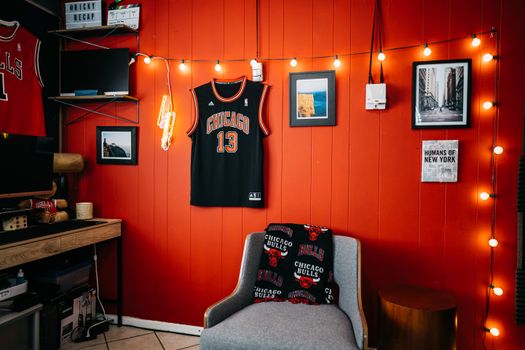
- Bold Colors and Graphics: Teams embraced more vibrant color schemes and unique patterns. The Charlotte Hornets, for example, debuted in 1988 with teal and purple pinstripes, a radical departure from conservative palettes. - Logos and Custom Fonts: Teams introduced custom logos, fonts, and sometimes even city symbols, adding personality to each uniform. - Manufacturer Branding: In 1984, the NBA began allowing visible manufacturer logos on uniforms, starting a long partnership with companies like Champion and later Nike, Adidas, and Reebok. - Iconic Designs: The Chicago Bulls’ red-and-black look, the Lakers’ purple-and-gold, and the Miami Heat’s flaming ball logo became instantly recognizable around the world.Jerseys also became more accessible to fans, fueling a booming market for replica gear. According to NBA data, by the late 1990s, jersey sales had grown to represent over $150 million in annual revenue.
Technological Innovations: Performance Meets Style
The 2000s ushered in a wave of technological advancements that revolutionized NBA uniforms. As player athleticism and game pace increased, so too did the demands placed on apparel. Uniform manufacturers began to focus on high-performance fabrics and cutting-edge construction methods.
Key technological milestones include:
- Lightweight, Moisture-Wicking Fabrics: Modern NBA jerseys are made from ultra-light, synthetic materials like polyester microfiber. Nike’s VaporKnit technology, for example, reduces weight by 30% compared to previous fabrics and enhances breathability. - Compression and Tailored Fits: Uniforms are now tailored for each player’s body, providing compression where needed and reducing loose fabric that could impede movement. - Sustainability: In 2010, Adidas introduced the NBA’s first jerseys made from recycled materials, a practice continued by Nike, which claims that each NBA jersey uses about 20 recycled plastic bottles. - Smart Uniforms: Some teams have experimented with embedded sensors that monitor player biometrics during games, although these remain largely in the testing phase.The result is a uniform that not only looks great on television and in person but also provides players with a tangible performance edge.
Alternate, City, and Special Edition Uniforms: Creativity Unleashed
One of the most dynamic trends in recent NBA history has been the explosion of alternate and special edition uniforms. No longer limited to home and away kits, teams now release a variety of uniforms each season, often designed in collaboration with artists, local communities, or major brands.
There are several types of modern alternate uniforms:
- City Edition: Launched by Nike in 2017, these jerseys celebrate local culture, history, or landmarks. The Miami Heat’s “Vice” uniforms, inspired by Miami’s neon-lit nightlife, became instant classics, selling out repeatedly. - Statement Edition: Bold, fashion-forward designs intended to make a statement on and off the court. - Classic and Throwback Editions: Nostalgic uniforms that pay homage to past eras, like the Toronto Raptors’ purple dinosaur jersey or the Los Angeles Lakers’ Showtime-era gold. - Special Event Uniforms: Teams often wear custom uniforms for holidays (Christmas Day, MLK Day), charity games, or to honor significant anniversaries.According to Fanatics, the NBA’s official online shop, sales of City Edition jerseys grew by 35% year-over-year between 2018 and 2022, underscoring fan enthusiasm for creative and locally inspired designs.
Comparing NBA Uniform Eras: Materials, Style, and Fan Engagement
To better grasp how NBA uniforms have changed, here’s a comparison table highlighting major differences across four key eras:
| Era | Materials | Design Features | Notable Innovations | Fan Engagement |
|---|---|---|---|---|
| 1940s-1960s | Wool, Heavy Cotton | Simple, Block Letters, Short Shorts | Team Numbers, Basic Logos | Limited; Jerseys rarely sold to public |
| 1980s-1990s | Polyester, Lighter Cotton | Bold Colors, Custom Fonts, Longer Shorts | Manufacturer Logos, Team Branding | Jersey sales boom, player-driven popularity |
| 2000s | Synthetic, Moisture-Wicking Fabrics | Tailored Fits, More Detailed Graphics | High-Tech Fabrics, Limited Edition Releases | Rise of global NBA merchandise market |
| 2010s-Present | Recycled Polyester, Smart Fabrics | Alternate, City, Statement Editions | Sustainability, Smart Tech, Collaboration with Artists | Fan customization, record-breaking jersey sales |
This table illustrates just how far NBA uniforms have come — evolving from plain, utilitarian gear to high-tech, highly sought-after pieces of sports and fashion history.
NBA Uniforms as Cultural and Social Statements
In recent years, NBA uniforms have become powerful platforms for cultural expression and social commentary. Teams and players have used their uniforms to make statements about social justice, community, and identity.
Noteworthy examples include:
- “Equality” Jerseys: During the 2020 NBA Bubble, players were allowed to replace their names on the back of jerseys with social justice messages such as “Equality,” “Black Lives Matter,” and “Vote.” - Pride and Heritage Nights: Teams regularly release limited-edition uniforms celebrating LGBTQ+ Pride, Hispanic Heritage, or other community milestones. - Indigenous Collaborations: The Oklahoma City Thunder and Phoenix Suns have partnered with local Native American artists to design uniforms that honor indigenous cultures.A 2021 survey by Morning Consult found that 53% of NBA fans under age 35 believe the league should use uniforms and apparel to raise awareness about important social issues — a sign that these efforts resonate with younger, socially conscious audiences.
What’s Next for NBA Uniforms? Trends to Watch
The evolution of NBA uniforms shows no signs of slowing down. Looking ahead, several trends are likely to shape the future:
- Deeper Fan Customization: Digital technology may soon let fans design their own jerseys, including custom colors, numbers, and even AR (augmented reality) features. - Smart Fabrics: As wearable tech advances, expect more uniforms equipped with sensors for real-time health and performance monitoring. - Sustainability: The push towards eco-friendly materials will intensify, with more teams and brands committing to 100% recycled or biodegradable fabrics. - Interactive Uniforms: Future jerseys might feature QR codes or embedded chips that unlock exclusive digital content or experiences for fans.As NBA uniforms continue to evolve, they will remain at the intersection of sport, culture, and innovation — shaping both the game on the court and the style off it.