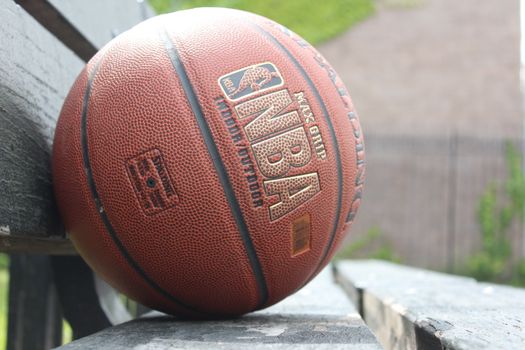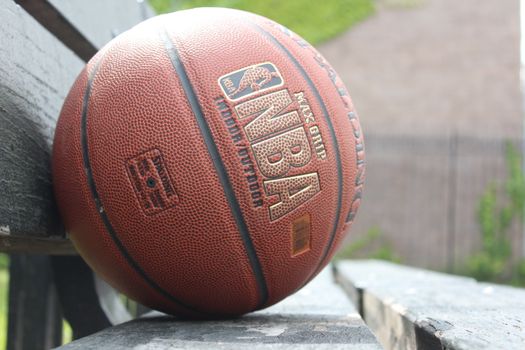
The history of NBA fan merchandise is an exciting journey that mirrors the growth of both basketball and fan culture in the United States and worldwide. What started as simple pennants and team pins has blossomed into a multi-billion-dollar industry, encompassing everything from authentic jerseys and limited-edition collectibles to high-tech wearables and digital fan experiences. The evolution of NBA merchandise is a fascinating reflection of changing styles, technological advances, and the deepening relationship between fans and the sport they love.
Early Days: The Birth of NBA Fan Merchandise
When the Basketball Association of America (BAA) and the National Basketball League (NBL) merged to form the NBA in 1949, fan merchandise was virtually non-existent. Fans who wanted to show their loyalty had few options beyond attending games and collecting basic souvenirs. In the 1950s and 1960s, team-branded gear was limited to simple items like pennants, programs, and lapel pins.
It wasn’t until the late 1960s that the first NBA jerseys became available to the public. Initially, these jerseys were often generic and lacked the quality or authenticity fans now expect. Nevertheless, they marked the beginning of a new era—one in which fans could wear their team pride.
.png)
Key Fact: According to the National Sporting Goods Association, U.S. sales of team-licensed products (including NBA items) were less than $20 million annually in the early 1970s, compared to over $15 billion for all sports leagues combined in 2023.
The 1980s and 1990s: The Rise of the Replica Jersey
The explosion of NBA popularity in the 1980s, fueled by stars like Magic Johnson, Larry Bird, and later Michael Jordan, triggered a revolution in fan merchandise. Companies such as Champion and Mitchell & Ness began producing replica jerseys that closely resembled those worn by players. This development made it possible for fans to not only support their teams but also emulate their heroes on the court.
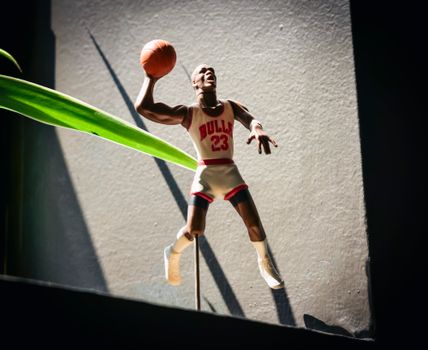
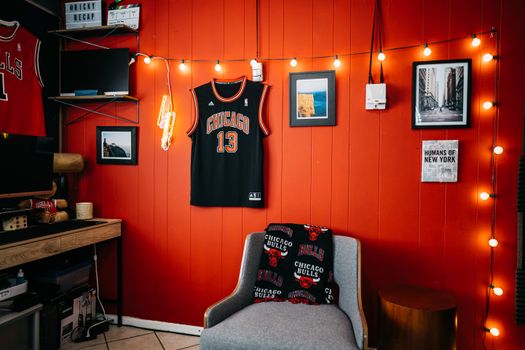
By the early 1990s, NBA merchandise was everywhere. The league’s partnership with Nike, Adidas, and Starter brought new styles and marketing strategies, making merchandise more accessible and fashionable. The iconic Chicago Bulls jersey, for example, became a symbol of 1990s pop culture, worn by celebrities and fans alike far beyond the basketball court.
Statistics: In 1992, NBA licensed product sales surpassed $2 billion for the first time, with jerseys accounting for a significant portion of that growth.
2000s: Globalization and the Digital Era
As the NBA expanded internationally, so too did its merchandise market. The league’s decision to host games and events overseas in cities like London, Paris, and Shanghai introduced NBA products to millions of new fans. The rise of the internet and e-commerce further transformed the landscape, allowing fans from around the world to purchase team gear with the click of a button.
NBAStore.com, launched in 1998, became a central hub for fans seeking everything from throwback jerseys to autographed memorabilia. Social media platforms and online communities also played a role in building hype around exclusive drops and limited releases.
Fact: By 2010, NBA merchandise was available in more than 100 countries, and online sales accounted for nearly 25% of all NBA gear sold.
The Modern Era: Technology, Customization, and Sustainability
Today’s NBA fan merchandise market is defined by innovation and diversity. Fans can choose from hundreds of items, including performance apparel, lifestyle fashion, and unique collectibles. Modern printing and manufacturing techniques have made it possible to offer personalized jerseys, where fans can add their own names and numbers.
The league now collaborates with top designers and brands—such as Supreme, Off-White, and BAPE—producing limited-edition lines that sell out within minutes. In 2021, the NBA and Nike introduced “City Edition” jerseys, featuring designs inspired by each team’s local culture and history, which have become instant fan favorites.
Sustainability is also becoming a priority. Nike’s current NBA uniforms are made primarily from recycled polyester, and the league has launched initiatives to reduce packaging waste and promote eco-friendly products.
Comparing NBA Fan Merchandise Across the Decades
To better understand the evolution of NBA fan gear, let’s compare some of the key characteristics of merchandise from each era:
| Era | Popular Merchandise | Distribution | Key Innovations | Estimated Sales |
|---|---|---|---|---|
| 1950s-60s | Pennants, lapel pins, programs | On-site at games, local stores | Basic branding, first team logos | <$20 million/year (all leagues) |
| 1980s-90s | Replica jerseys, Starter jackets, caps | National retailers, TV shopping | Player jerseys, TV ads, celebrity endorsements | >$2 billion/year (NBA) |
| 2000s | Throwback jerseys, autographed memorabilia | Online, international stores | E-commerce, global shipping | Global sales surge |
| 2010s-2020s | City Edition jerseys, collaborations, tech wearables | Online, pop-up shops, global retail | Customization, sustainability, limited releases | >$15 billion/year (all leagues, 2023) |
The Cultural Impact of NBA Fan Merchandise
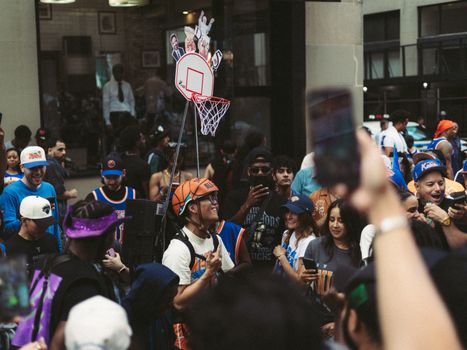
NBA fan gear is much more than just apparel—it’s a cultural phenomenon. Jerseys and hats have become mainstream fashion, frequently seen on music icons, movie stars, and influencers. The NBA’s presence in hip-hop culture, streetwear, and social media has helped turn team logos and player numbers into global symbols.
For example, the 1996 release of Allen Iverson’s Sixers jersey coincided with the rise of hip-hop and street style, making NBA apparel a staple in urban fashion. More recently, collaborations with brands like Supreme and Louis Vuitton have elevated NBA gear to luxury status, blurring the line between sportswear and high fashion.
Statistics: According to Forbes, the NBA is among the top three sports leagues worldwide in licensed merchandise sales, with a global fan base estimated at over 2.4 billion people in 2024.
Collecting NBA Merchandise: From Souvenirs to Investments
What began as simple keepsakes has grown into a serious industry for collectors and investors. Vintage NBA jerseys, game-worn sneakers, and limited-edition items routinely fetch thousands of dollars at auction. For instance, Michael Jordan’s 1997 NBA Finals jersey sold for a record $10.1 million in 2022.
The rise of online auction sites and sports memorabilia marketplaces has made it easier than ever for fans to buy, sell, and trade NBA merchandise. Grading services and authenticity guarantees help ensure that items retain their value. As a result, collecting NBA fan gear is not just a hobby—it’s a way for fans to connect with history and potentially profit from their passion.
Fact: The sports memorabilia market, much of which includes NBA items, is projected to reach $33 billion globally by 2030 (Market Decipher, 2023).
Looking Ahead: The Future of NBA Fan Merchandise
As technology and consumer tastes continue to evolve, so will NBA fan merchandise. Expect to see even more integration of digital experiences, such as augmented reality (AR) and non-fungible tokens (NFTs), allowing fans to unlock unique content or virtual collectibles. Interactive jersey technology, which can display real-time stats or connect with social media, is already in development.
Sustainability will remain a growing focus, with more eco-friendly materials and production methods. Additionally, the NBA’s global reach means merchandise will be increasingly tailored to international markets, reflecting local cultures and fan preferences.
One thing is clear: NBA fan merchandise will continue to be a dynamic, ever-changing aspect of basketball culture, uniting fans across generations and around the world.