NBA Memorabilia: An Investment Worth Making
The world of NBA memorabilia is far more than a hobby for passionate fans—it’s a thriving marketplace where nostalgia, history, and smart investing intersect. From Michael Jordan’s rookie cards to game-worn LeBron James jerseys, collectors and investors alike are discovering the financial potential locked within these tangible pieces of basketball history. With the sports memorabilia market projected to surpass $33 billion by 2032 (according to Market Decipher), NBA items stand out for their global appeal, emotional resonance, and increasingly robust returns. But is investing in NBA memorabilia really worth it? Let’s dive into what makes this market tick, the types of memorabilia with the highest returns, how to spot authentic and valuable pieces, and the risks and rewards investors should consider.
The Rise of NBA Memorabilia as an Investment Asset
NBA memorabilia has undergone a dramatic transformation over the past two decades. What was once a niche pastime for super-fans is now a serious investment category attracting everyone from Wall Street professionals to international collectors. In fact, the value of high-end sports memorabilia has skyrocketed: in 2021, a Michael Jordan rookie card sold for $738,000 at auction, more than double its previous high just a year prior. Similarly, a game-worn Kobe Bryant jersey fetched $5.8 million in early 2023, setting a record for a Bryant item.
Several factors have fueled this growth:
- $1: With over 2.1 billion fans worldwide, the NBA’s reach means memorabilia appeals to buyers across Asia, Europe, and the Americas. - $1: As players retire or pass major career milestones, their memorabilia becomes rarer and more desirable. - $1: Platforms like eBay, Goldin Auctions, and Heritage Auctions have made buying and selling NBA memorabilia accessible to a broader audience.The rise of digital assets, such as NBA Top Shot moments (unique, blockchain-authenticated video highlights), has added a modern twist, but physical memorabilia remains the gold standard for investors seeking tangible assets.
.png)
Types of NBA Memorabilia: What Holds Value?
Not all NBA memorabilia is created equal. While every fan might cherish a signed ball, serious investors focus on items with proven appreciation potential and strong demand. Here’s a breakdown of the main categories and what makes them valuable:
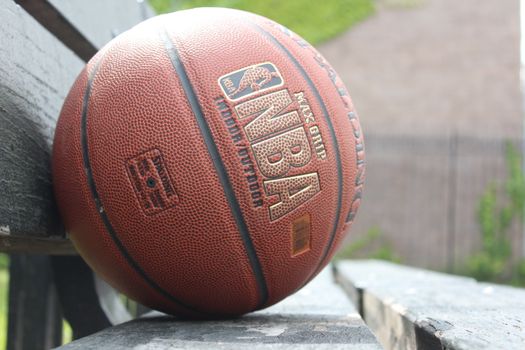
- $1: Rookie cards, especially those from limited print runs or with high grading (such as PSA 10 or BGS 9.5), are among the most liquid and high-return assets. The 2003-04 LeBron James Exquisite Collection rookie card sold for $5.2 million in 2021—a testament to their investment power. - $1: Items actually used in iconic games command premium prices. Authentication from organizations like MeiGray Group or the NBA itself is essential. - $1: Signed items—basketballs, jerseys, photos—are popular, though their value depends on the player’s legacy and the rarity of the signature. - $1: While rare, these items are often the crown jewels of a collection, sometimes fetching six or seven figures at auction. - $1: Historic game tickets (such as for Kobe Bryant’s 81-point game) and official programs are gaining traction among collectors.Below is a comparative table showcasing the average value range of different NBA memorabilia types:
| Memorabilia Type | Typical Value Range (USD) | Record High Sale | Key Factors |
|---|---|---|---|
| Rookie Cards | $500 - $500,000+ | $5.2 million (LeBron James, 2021) | Player, grading, rarity |
| Game-Worn Jerseys | $2,000 - $1 million+ | $5.8 million (Kobe Bryant, 2023) | Authentication, game significance |
| Autographed Basketballs | $200 - $20,000 | $250,000 (Michael Jordan Team Ball) | Signature, team, era |
| Championship Rings | $5,000 - $300,000+ | $705,000 (Bill Russell, 2021) | Player, year, provenance |
| Event Tickets/Programs | $100 - $10,000 | $35,000 (Wilt Chamberlain 100-point game) | Game, condition, rarity |
What Drives the Value of NBA Memorabilia?
Understanding what determines the value of a piece is crucial when considering memorabilia as an investment. Three main factors consistently influence prices:
1. $1: Items associated with all-time greats—Michael Jordan, LeBron James, Kobe Bryant, Magic Johnson—almost always appreciate, particularly if tied to iconic moments. 2. $1: Limited-edition items, one-of-a-kind game-worn gear, or first-edition cards fetch higher prices. For example, the 1986 Fleer Michael Jordan rookie card exists in only a few hundred PSA 10-graded copies, driving its value into the hundreds of thousands. 3. $1: Mint condition items, especially those professionally graded or authenticated, command significant premiums. Counterfeits are a real concern, so reputable third-party verification is essential.Other contributors include the historical significance of the item (such as being from a record-setting game), provenance (documented ownership history), and current market trends—such as a player’s induction into the Hall of Fame or major milestones.
How to Begin Investing in NBA Memorabilia
If you’re considering NBA memorabilia as an investment, a thoughtful approach is vital. Here are steps to get started:
- $1: Familiarize yourself with recent auction results, price trends, and the most coveted items. Websites like PSA Card, Goldin Auctions, and Heritage Auctions are excellent resources. - $1: Decide how much you’re willing to invest. Remember, while some items skyrocket in value, others can stagnate or decline. - $1: Authenticity is everything. Work with established dealers, auction houses, or directly from NBA-approved partners. Look for documentation from PSA/DNA, JSA, Beckett, or MeiGray. - $1: Items tied to legends or historic events are most likely to appreciate. - $1: Protect your investment from damage, theft, or environmental factors. For high-value items, obtain specialized insurance.A real-world example: In 2019, a collector purchased a Giannis Antetokounmpo rookie card for $3,000. By 2023, after Antetokounmpo’s MVP run and NBA championship, the card’s value soared to over $20,000—a return of more than 500% in just four years.
Risks and Rewards: Weighing NBA Memorabilia Investment
Like any investment, NBA memorabilia involves risks alongside its potential for outsized rewards. Here’s what investors should keep in mind:
- $1: Prices can be influenced by player injuries, off-court controversies, or changing trends in collecting. For example, values of certain players’ memorabilia dipped following legal troubles or retirements. - $1: Some items, especially those tied to less popular players or teams, may take time to sell at desired prices. - $1: Counterfeit items remain a serious problem; even experienced collectors can be duped without proper verification. - $1: It’s easy to overpay for items tied to personal favorites rather than focusing on investment fundamentals.Despite these risks, the rewards can be substantial. According to Altan Insights, the sports memorabilia index has returned an average of 12-15% annually since 2008, outperforming some traditional asset classes during certain periods. In addition, the emotional satisfaction and connection to basketball history offer intangible benefits that stocks or bonds cannot replicate.
NBA Memorabilia and the Future of Alternative Investments
NBA memorabilia is increasingly being recognized as a legitimate alternative investment—one that blends passion with profit potential. As the NBA’s global presence continues to expand, and as new generations of fans gain purchasing power, demand for rare and authenticated memorabilia is poised to grow.
The rise of fractional ownership platforms (such as Collectable and Rally) now lets investors buy shares in high-value items, further democratizing access to this market. While the most legendary pieces may remain out of reach for many, opportunities abound for savvy buyers willing to research, authenticate, and carefully curate their collections.
NBA memorabilia is not just about owning a piece of sports history—it’s about participating in an ever-evolving market where nostalgia, culture, and finance collide. For those who do their homework and buy wisely, it can indeed be an investment worth making.